 | ||||||||||||
|
| ||||||||||||
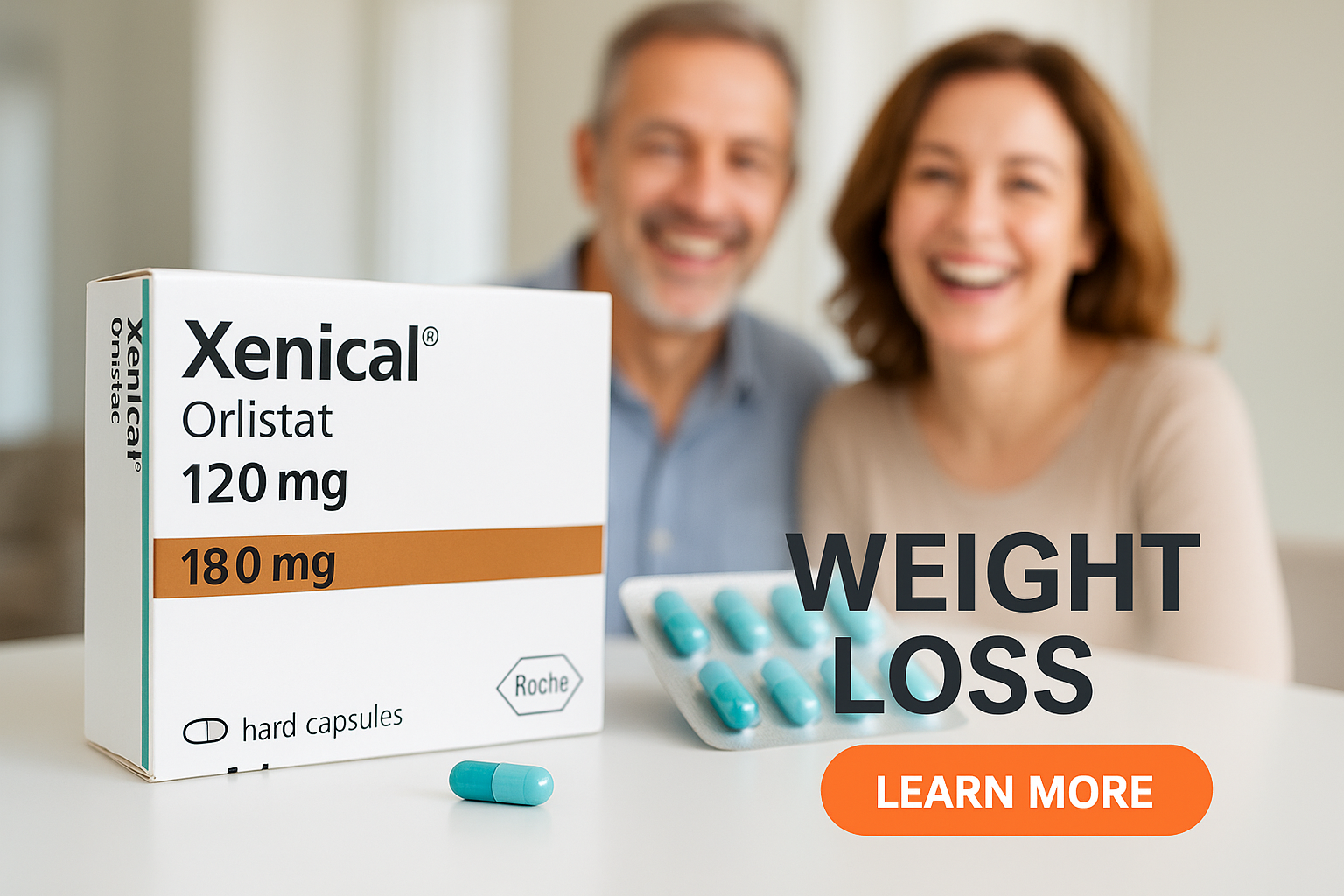
Xenical Guide: How to Use for Effective Weight Loss ResultsXenical, or orlistat, earned FDA approval in 1999 as a weight loss prescription. It blocks about a third of fat from food intake, lowering calorie absorption. Although the over-the-counter alternative, Alli, provides a lower dosage, Xenical 120mg remains the standard for individuals with a BMI over 30, or above 27 if accompanied by related health issues. Contrary to advertising myths, Xenical is not a stand-alone solution to weight loss. Efficacy is proven when paired with reduced-calorie diets and regular exercise plans. Research emphasizes the creation of a personalized plan, combining diet, exercise, and possibly Xenical, as demonstrated in a significant PCOS women study. Concerns persist about Xenical interfering with nutrient absorption, but scientific data clarifies its specific targeting of dietary fats rather than proteins, carbs, or most vitamins. However, it impacts fat-soluble vitamins (A, D, E, K), necessitating bedtime multivitamin supplements. Those using weight management aids may seek guidance, as emphasized in a Prednisone overview. Online myths suggesting Xenical causes severe organ damage hear reduce its reputation unfairly. Safety data confirms minor gastrointestinal side effects, like oily stools, signify its functioning. Serious conditions, although rare, such as serious liver damage, are documented in official FDA guidelines. There’s misinformation about obtaining Xenical without a prescription or at reduced prices through online pharmacies. Such practices are fraught with risk, often involving counterfeit products or improper dosages. Xenical is legally prescribed in the U.S., with medical oversight safeguarding against side effects and harmful interactions— essential for safety and legitimacy, similar to obtaining medications like Nizagara. Distinctions between Xenical 120mg and Alli 60mg matter. The prescription dosage aids more effectively, demanded by BMI requirements. Prescription guidelines not only minimize risks but also verify if the patient qualifies medically before using the medication, avoiding negative drug interactions. Xenical's effectiveness is most apparent in the initial 6-12 months with ongoing, thorough assessments ensuring beneficial outcomes—losing weight is not indefinite. Commitment is akin to monitoring regimens of other medications, for instance, Prednisone. Weight loss myths overstating Xenical's impact ignore realistic expectations. Data indicates weight loss potentials at 5-10% of body weight when used with proper guidance, contrasting the non-miraculous change expectations. Use of Xenical in the U.S. is regulated, countering ideas that it pervades weight loss culture. Lifestyle and medical intervention remain priority options for most patients, with Xenical reserved for specific cases unresponsive to other efforts. Purchasing Xenical without supervision urges caution. Reliable access should always involve professional evaluation to avoid subpar, fake market alternatives that bypass necessary safety protocols, endangering consumers. Ultimately, Xenical represents a credible, scientifically sanctioned aide when inclusive of comprehensive weight strategies, ensuring durability in weight plans. It's indispensable to separate less probable yet pervasive myths from factual biomedical pathways, culminating patient empowerment. For individualized advice regarding Xenical use, consult healthcare professionals, detailing personal benefits coupled with recognized health safety norms. Welcome!
This is a common question practitioners are asked. The following definitions are given by the World Association of Infant Mental Health and Zero to Three. Defining infant mental health as the ability to develop physically, cognitively, and socially in a manner which allows them to master the primary emotional tasks of early childhood without serious disruption caused by harmful life events. Because infants grow in a context of nurturing environments, infant mental health involves the psychological balance of the infant-family system. WAIMH Handbook of Infant Mental Health, vol 1, p.25 In young children, mental health is often equated with healthy social and emotional development, which is defined as "the developing capacity of the young child to experience, regulate, and express emotions;form close and secure interpersonal relationships; and explore the environment and learn, in the context of a caregiving environment that includes family, community, and cultural expectations for young children." Zero to Three Infant Mental Health Steering Committee. Definition of infant mental health. Washington, D.C.: Zero To Three; 2001. Available from: www.zerotothree.org |
 |
What's News
Click here to renew your ITMHCA membership
February ITMHCA Workshop Sally Campbell Memorial Best for Babies Seminar with Charles Zeanah, Jr., M.D. Feb. 27, 2015
Updated documents have been posted under Endorsement, Competencies and Requirements Click here to download
Member Info Updates Please update your contact information to help keep our records accurate. Send your current employer, position, address, phone/fax numbers and email address to [email protected] |
||||||||||
 What is Infant Mental Health?

 ITMHCA is a member of the League of States using the Michigan Association for Infant Mental Health Endorsement system. The League consists of 15 states (as of August 2012) and growing (see map). Arizona was an early adopter of the Infant Mental Health Endorsement (IMHE) system and met with other early adopters in September 2007 to agree to reciprocity among our states. Reciprocity means that IMHE earned in one League state is recognized in another. Reciprocity also means all League states must meet regularly to agree to the standards and processes involved in granting endorsement. Quarterly conference calls are held among League leaders; with additional conference calls for subcommittees discussing Research, Training, Policy, and Endorsement coordination. An Annual Retreat provides a wonderful opportunity for League members from all States to meet face to face to conduct business and develop the warm relationships that facilitate the rich dialogue possible on conference calls and in emails. The League communicates on a secure listserv. People from League states frequently request assistance with referrals for I/T and families, for applicable research to support grants, for policy language to address incorporating IMHE into state programs and policies, and much, much more. Participation in the League is advantageous to ITMHCA members!